Concrete Color
Colored Concrete in Kalamazoo MI
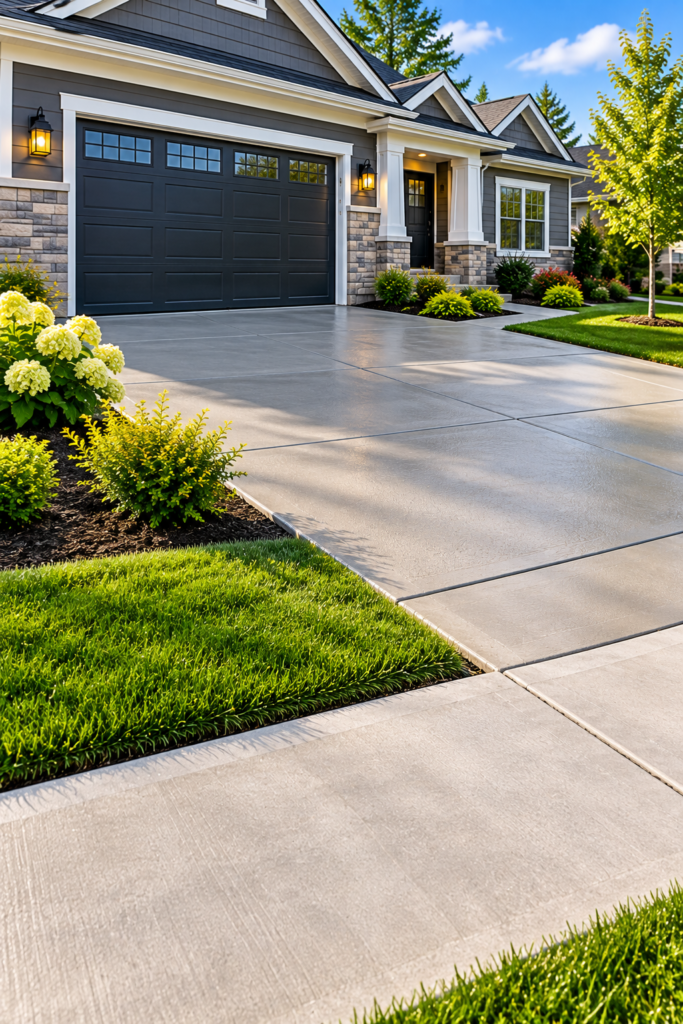
Color can soften the look of concrete and help it fit your home and landscape. Colored Concrete in Kalamazoo MI starts with choosing a color direction and a coloring method that suit the project, then setting realistic expectations for the finished look.
The Basics
What Colored Concrete Is
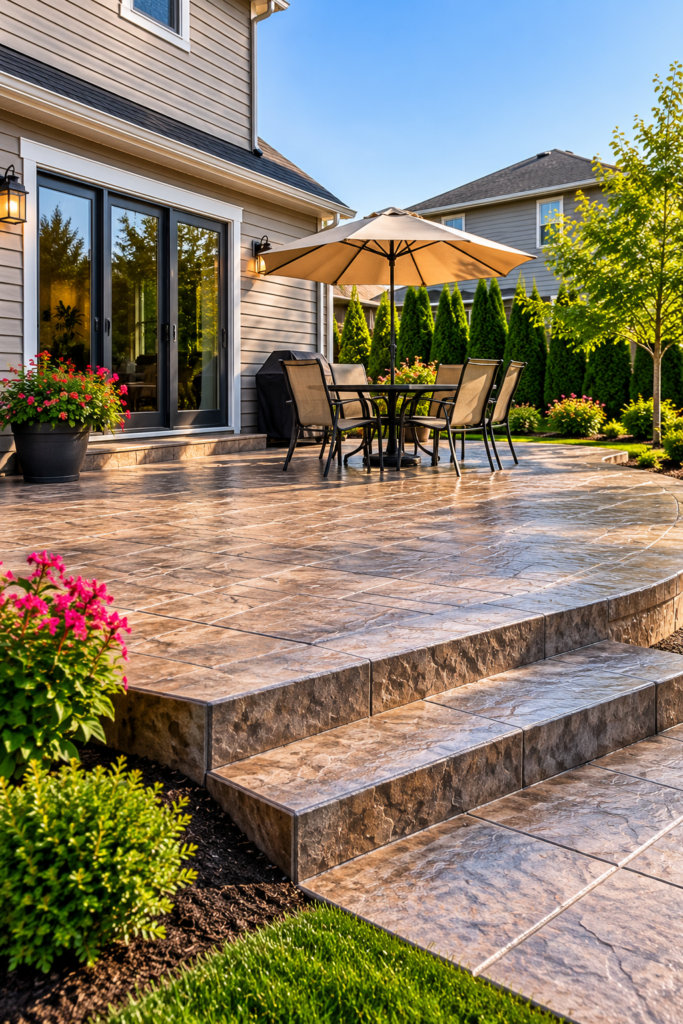
Colored concrete is concrete that has color added instead of being left its natural gray. Depending on the method, color may be mixed into the concrete, worked into the fresh surface or applied to cured concrete.
Color can stand on its own on a smooth or broom finish, or it can support other design choices. The goal is a tone that looks right next to your siding, brick, stone, landscaping and other hardscape.
As part of our concrete services for Kalamazoo properties, we can walk you through color options and explain how each method may look on your project.
Coloring Methods
How Color Is Added to Concrete
Different coloring methods give different results. The right choice depends on whether the concrete is new or existing, the look you want and how the surface is used. Our article comparing integral color and stained concrete explains two common methods.
Integral Color
Pigment is added to the concrete mix, so color runs through the material. It often gives a softer base tone and is chosen during new concrete work.
Color Hardener
A dry color material is worked into the surface of fresh concrete during finishing. It can create a stronger surface color and is common in decorative work.
Stains
Stains are applied to cured concrete. Some react with the concrete to create mottled, varied tones, while others give a more uniform look. Results depend on the existing surface.
Accent Colors
A second tone, colored borders or antiquing on textured surfaces can add contrast and depth. Accents are usually paired with a base color.
Project Areas
Where Colored Concrete Is Used
Color is most often chosen for outdoor surfaces that are seen every day and sit close to the house.
01
Patios
A colored concrete patio can pick up tones from the house or nearby stone so the space feels connected. Our concrete patio page covers broader patio planning.
02
Walkways and Entries
Warm or neutral tones can lead visitors to the front door and help a path blend with landscaping.
03
Porches and Pool-Deck Areas
Lighter tones are often considered for sunny areas, while texture and traction still matter on surfaces that get wet.
04
Driveways
A colored concrete driveway is possible, but tire marks, deicers and snow removal can affect how color looks over time.
Colored, Decorative or Stamped?
Colored concrete focuses on color. Decorative concrete is the broader category of design choices, and stamped concrete focuses on pattern and texture, often with color added.
Choosing a Color
Setting Realistic Color Expectations
Finished color can vary with materials, moisture, curing, finishing, the application method and the surface itself. Sunlight, shade and the colors around the concrete also change how it looks.
Natural variation is normal, so samples and photos are a guide rather than a promise. An exact match to another surface cannot be guaranteed. Our article on matching new colored concrete to existing concrete explains why.
Local Conditions
Michigan Weather and Colored Concrete
Freeze-Thaw and Deicers
Water that freezes inside concrete can damage the surface over time. Federal Highway Administration research notes that freeze-thaw and deicer damage often appear near joints and cracks, where moisture is more available.
Sun and Wear
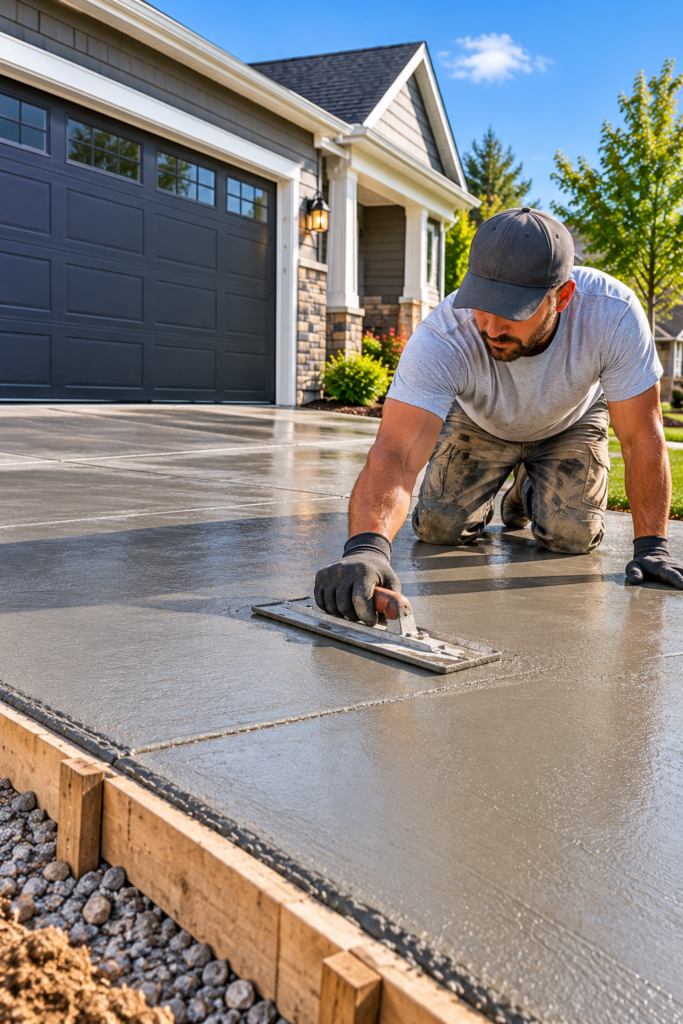
Sunlight, foot traffic and vehicles can change how color looks over time. Some fading or wear is possible, so color is chosen with the setting in mind. We explain more about whether colored concrete fades in a separate article.
Cleaning and Sealing
Routine cleaning helps color look its best. Many colored surfaces are sealed, and how often resealing makes sense depends on the finish, wear and exposure.
Year-Round Exposure
Outdoor colored concrete in Kalamazoo faces sun, rain, snow and cold winters, so color is planned with year-round exposure in mind. No colored concrete surface is maintenance-free, so care expectations are part of the planning conversation.
Starting Point
New or Existing Concrete
New Concrete
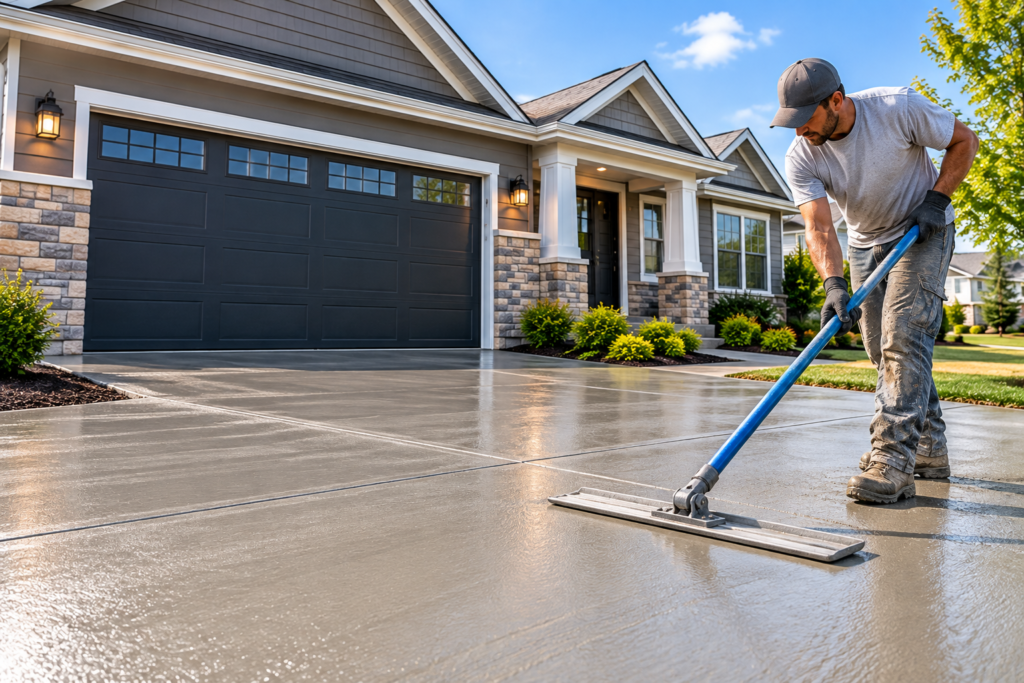
Integral color and color hardeners are added during new concrete work.
Existing Concrete
Some stains or other treatments may work on suitable existing concrete, but only after its condition is reviewed. Cracks, old sealers, stains and worn areas can all affect how color takes on an existing surface.
Pricing
What Affects a Colored Concrete Estimate?
Every colored concrete project is priced on its own details rather than averages or square-foot figures.
Size and Shape
The overall area and layout of the surface.
Coloring Method
Integral color, color hardener or stain.
Number of Colors
A single tone or multiple colors and accents.
New or Existing Concrete
New placement or the condition of existing concrete.
Surface Preparation
Cleaning, repairs or removal needed before color.
Access and Finish
Site access, finishing work and sealer needs.
A project-specific estimate is the best way to understand the cost of Colored Concrete in Kalamazoo MI for your space.
Thinking About Colored Concrete?
Tell us about the project area, approximate size, the color direction you like, nearby materials and whether the concrete is new or existing. We will talk through options and what to expect.
FAQ
Colored Concrete FAQs
What is colored concrete?
It is concrete with added color, either mixed in, worked into the fresh surface or applied to cured concrete, instead of the standard gray.
How is color added to concrete?
Common methods include integral color in the mix, color hardeners worked into fresh concrete and stains applied to cured concrete. Each gives a different look.
Is colored concrete the same as stained concrete?
Not exactly. Staining is one way to color concrete. Colored concrete also includes integral color and surface-applied color during new work.
Can existing concrete be colored?
Sometimes. Stains or other treatments may work on suitable existing concrete, but cracks, old sealers and surface condition need to be reviewed first.
Does colored concrete fade?
Outdoor color can change over time with sunlight, wear and weather. Method choice, sealing where appropriate and routine care help, but no color is fade-proof.
Can colored concrete match my house exactly?
Color can be chosen to complement your home, but natural variation is normal and an exact match cannot be promised.
Free Estimates
Request a Colored Concrete Estimate
Planning a colored patio, walkway, entry or driveway? Call (269) 404-2457 or contact us to talk through color options for your project.