Existing Concrete
Concrete Resurfacing in Kalamazoo MI
Worn, weathered or discolored concrete does not always need to be torn out. Concrete Resurfacing in Kalamazoo MI can renew the surface of suitable existing concrete, but only when the slab’s condition shows it is a good candidate.
The Basics
What Concrete Resurfacing Means
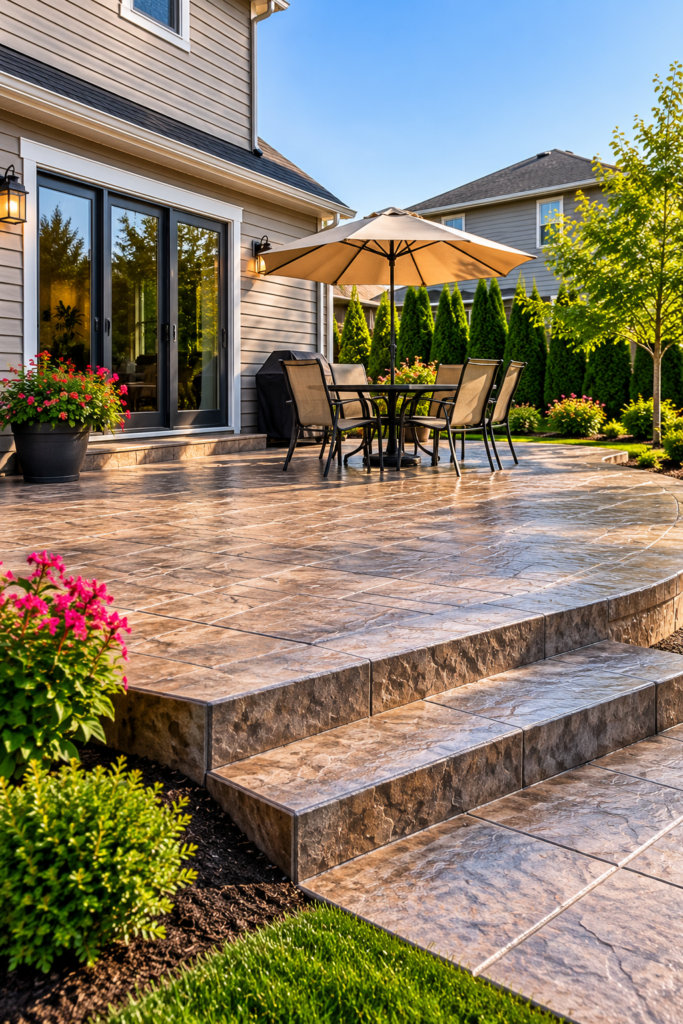
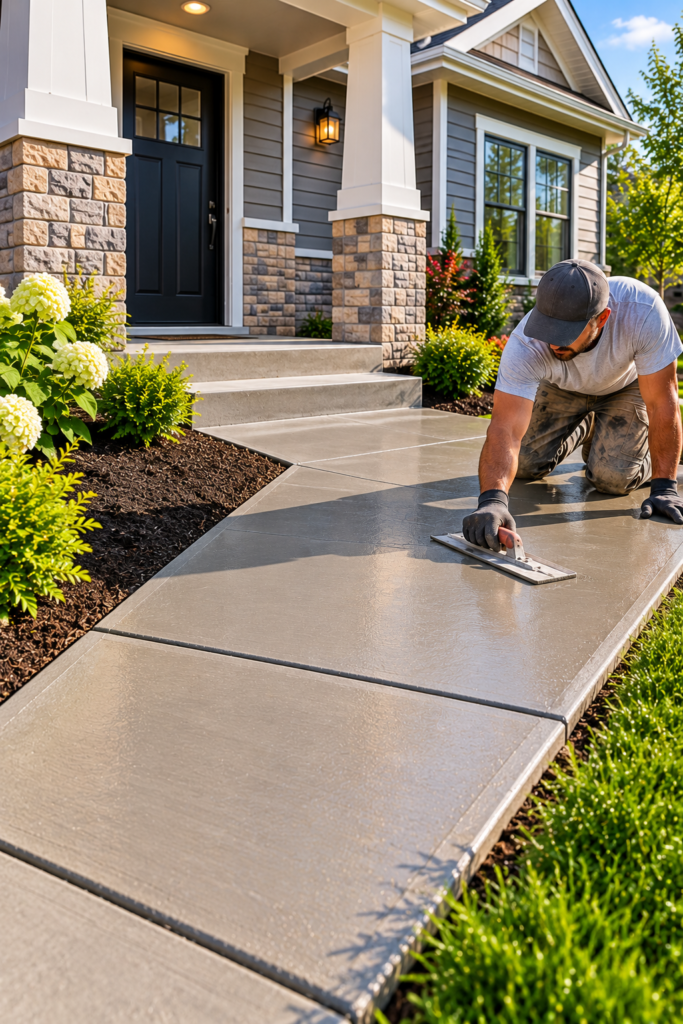
Concrete resurfacing renews the top surface of existing concrete instead of removing and replacing the whole slab. After the surface is cleaned and prepared, a resurfacing system or concrete overlay is applied to create a fresh, more even finish. Our guide on what concrete resurfacing involves explains the basics.
Resurfacing works on the surface. It does not fix the ground below, correct major settlement or make unstable concrete sound. That is why the existing concrete has to be a suitable base first. Surface preparation is handled at a professional level, and the steps depend on the system and the existing concrete.
As a concrete contractor serving Kalamazoo, we can look at your existing concrete and explain whether resurfacing, repair or another approach makes more sense.
Good Candidates
When Resurfacing May Be Considered
Resurfacing is usually considered for concrete that is basically sound but looks tired. Suitability always depends on the actual condition.
Sign 01
Worn Surface
Concrete that has become rough or worn from years of foot traffic and weather may be a candidate if the slab underneath is still stable.
Sign 02
Light Scaling
Minor flaking or scaling on the top layer can sometimes be addressed with surface preparation and resurfacing once the cause is understood.
Sign 03
Discoloration
Stains, patchy color or an uneven, weathered look can often be covered when the concrete below is in sound condition.
Sign 04
Updated Finish
Some homeowners resurface sound concrete to change its texture, color or overall look without replacing the slab.
Project Areas
Surfaces That May Be Resurfaced
Resurfacing may be an option for many existing flat concrete surfaces, as long as each one is reviewed on its own.
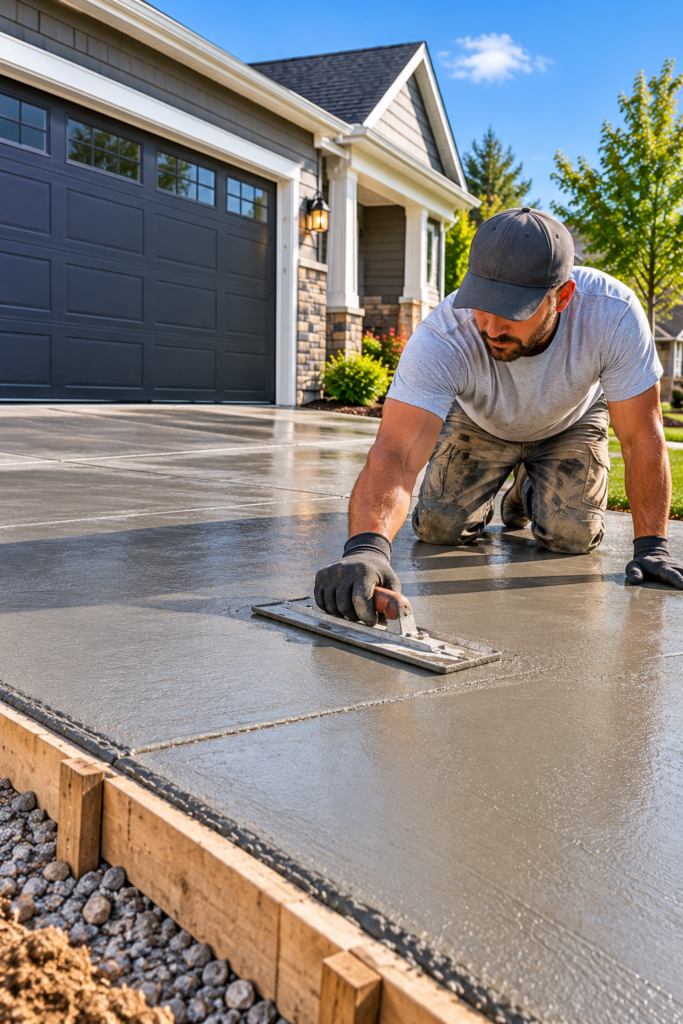
Patios and Porches
Outdoor living areas often show wear and discoloration first. A sound patio or porch may be resurfaced for a refreshed look.
Walkways and Entries
Walking surfaces need good traction and even transitions at steps and doors, which are planned into the resurfacing.
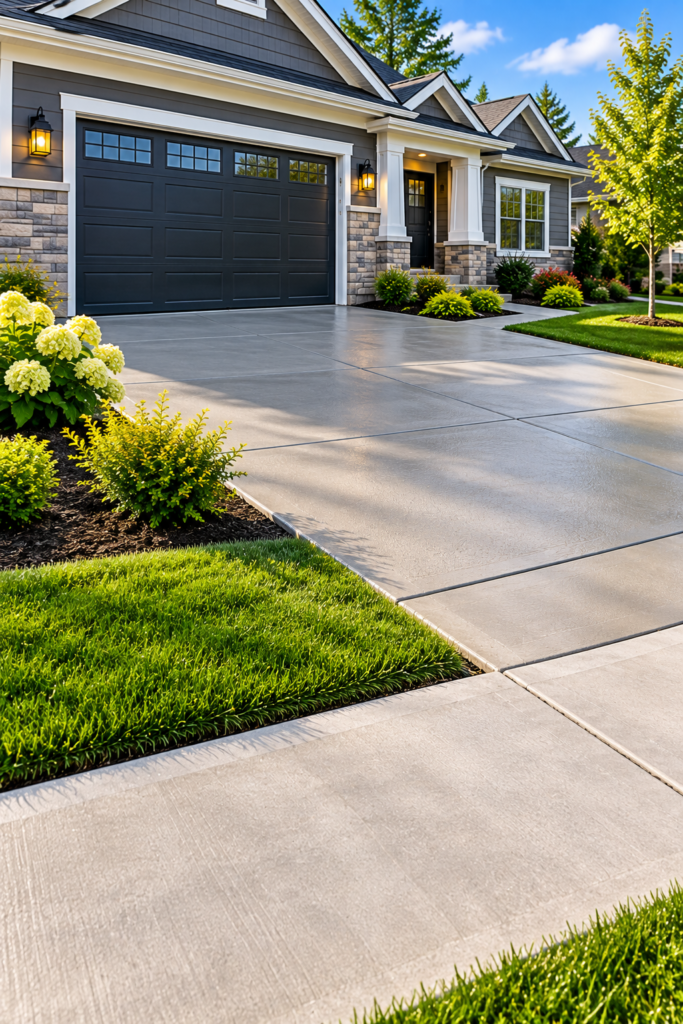
Driveways and Garage Floors
These surfaces handle vehicles, tire marks and, outdoors, deicers. The resurfacing system has to suit that kind of use.
Pool-Deck Areas
Pool surrounds need a texture that suits wet, bare feet and a surface that sheds water away from the pool and house.
Resurfacing may also add texture, color or a decorative finish, but surface condition comes first. Appearance options are secondary to a sound base.
Know the Limits
When Resurfacing May Not Be Enough
Problems Below the Surface
Resurfacing does not correct significant movement, substantial settlement, unstable or broken concrete, or ongoing drainage and moisture problems. Covering those conditions can hide them for a while without solving them. Our comparison of resurfacing and replacement can help you weigh both options.
Deep cracks and areas that shift or rock usually need a closer evaluation before any new surface is considered. We do not decide this from a photo.
Resurfacing, Repair, Replacement or Leveling
Resurfacing renews the surface. Concrete repair addresses localized damage, and some projects need both. Replacement may make more sense when the existing slab is not a suitable base.
Leveling deals with height differences in suitable slabs. Resurfacing does not raise sunken concrete or correct major settlement.
Local Conditions
Michigan Weather and Resurfaced Concrete
Outdoor concrete in Kalamazoo goes through rain, snow, freezing nights and warm summers, so resurfacing is planned with year-round exposure in mind.
Freeze-Thaw and Scaling
Water that soaks into concrete and freezes can lead to scaling. Federal Highway Administration research notes that freeze-thaw and deicer damage often appear near joints and cracks, where moisture is more available.
Drainage and Moisture
Water that collects on or under a slab can affect how a new surface performs, so drainage and moisture are reviewed before resurfacing.
Care Over Time
Routine cleaning, careful snow removal and limited deicer use where practical help a resurfaced surface last. Resealing needs depend on the system used.
No resurfaced surface is maintenance-free, so care expectations for your specific system are part of the planning conversation.
Pricing
What Affects a Concrete Resurfacing Estimate?
Every resurfacing project is priced on its own details rather than averages or square-foot figures. Resurfacing is not always less expensive than replacement, so the comparison depends on the condition of your concrete.
Size and Shape
The overall area and layout of the surface.
Surface Condition
How worn, scaled or stained the existing concrete is.
Preparation and Repairs
Cleaning, surface preparation and any repairs needed first.
Resurfacing System
The type of system chosen for the surface and its use.
Finish and Appearance
Texture, color or decorative options, if any.
Access and Drainage
Site access, plus any drainage or moisture concerns.
A project-specific estimate is the best way to understand the cost of Concrete Resurfacing in Kalamazoo MI for your surface.
Thinking About Resurfacing Your Concrete?
Tell us about the project area, approximate size, the condition of the surface, any cracks or flaking you see, drainage concerns and the look you want.
FAQ
Concrete Resurfacing FAQs
What is concrete resurfacing?
It is renewing the top surface of suitable existing concrete with a resurfacing system or overlay instead of replacing the whole slab.
Can old concrete be resurfaced?
Often, if it is still stable. Concrete with major movement, settlement or deep damage may need repair or replacement instead.
Can cracked concrete be resurfaced?
It depends on the cracks. Some can be repaired first, while cracks tied to movement may show through a new surface. An evaluation helps decide. We cover this further in whether cracked concrete can be resurfaced.
Is resurfacing the same as concrete repair?
No. Resurfacing renews the surface, while repair addresses specific damage. Some projects use both.
Can resurfacing change how concrete looks?
Yes. Many systems allow a new texture, color or finish, though the condition of the concrete below matters most.
How does Michigan weather affect resurfaced concrete?
Freeze-thaw cycles, moisture and deicers can wear on outdoor surfaces, so drainage, the right system and routine care all play a role.
Free Estimates
Request a Concrete Resurfacing Estimate
Have worn, stained or weathered concrete? Call (269) 404-2457 or contact us to talk through whether resurfacing fits your surface.