
Pool Decks
Concrete Pool Deck in Kalamazoo MI
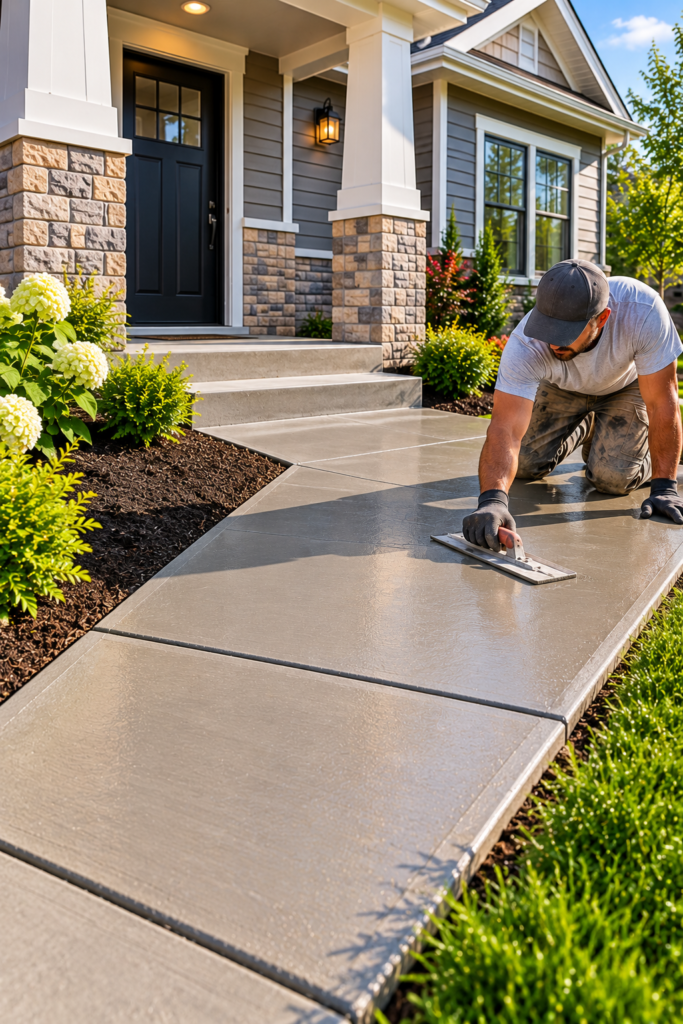
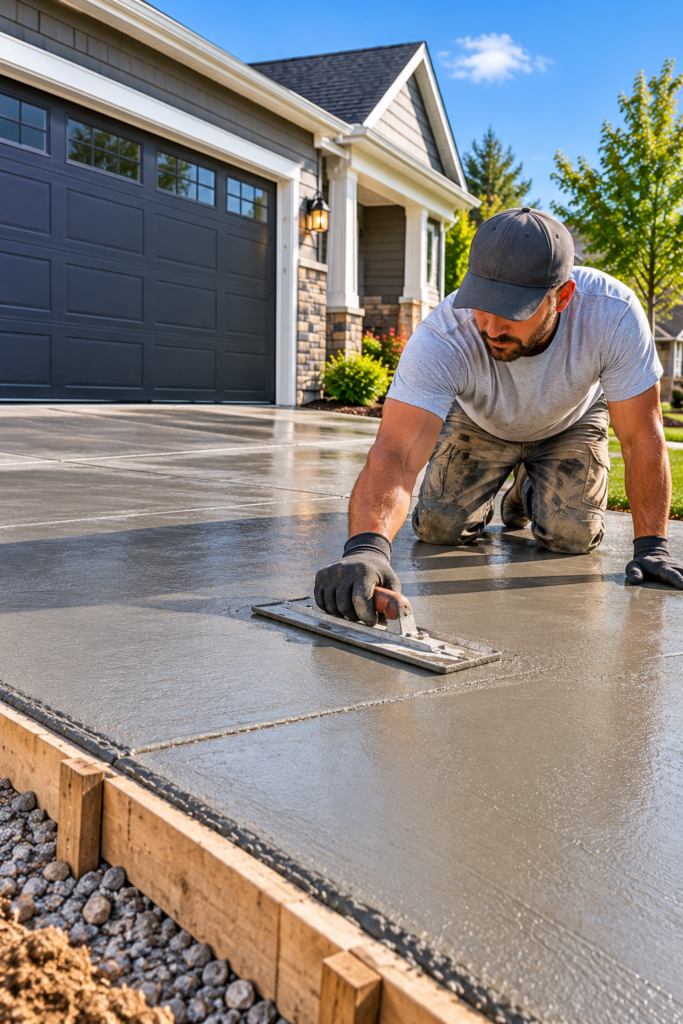
The concrete around a swimming pool gets wet, sunny and busy all season, then sits through Michigan winters while the pool is closed. Planning a Concrete Pool Deck in Kalamazoo MI means thinking about drainage, texture, the pool edge and how the deck connects to the rest of your yard. We help homeowners plan new pool decks and look at existing decks that are cracked, worn or uneven.
New Pool Decks
Planning a New Concrete Pool Deck
A concrete pool deck is the walking and lounging surface around a swimming pool. Unlike a general patio, it has to handle splashing, wet feet and water coming off the pool area, along with chairs, foot traffic and outdoor weather.
Planning starts with the pool layout and how much usable deck space you need. Think about where people will walk, sit and gather, how they will reach the pool from the house or gate, and how the deck will meet the pool edge, a patio or nearby walkways.
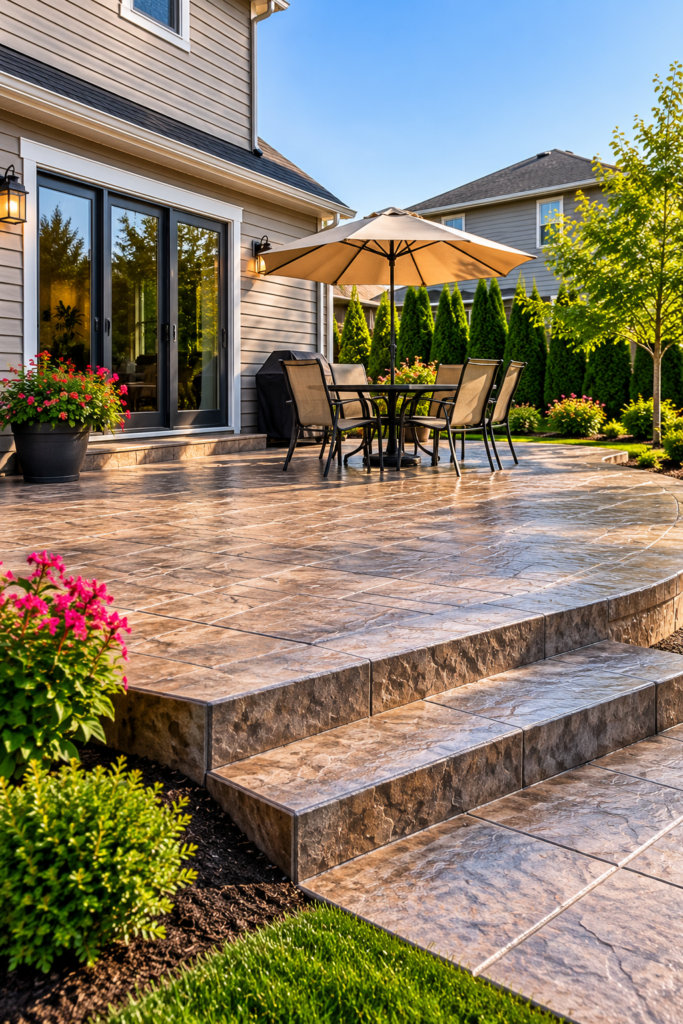
Because the deck gets wet, surface texture and finish can be considered as part of traction and maintenance planning, though no finish is slip-proof. Sunlight, concrete color, finish and nearby shade can also influence how the surface feels underfoot. Color or stamped patterns are optional, but function should come first. Our article on whether a concrete pool deck is slippery when wet explains what affects traction.
Existing Pool Decks
What Is Your Pool Deck Showing?
Pool deck concrete changes over time. These are common things homeowners notice. Each is an observation, not a diagnosis.
Cracks
Cracks can show up across the deck or near the pool edge. Some are minor. Others deserve a closer look, especially if they seem to be growing. We cover common factors in why a concrete pool deck may crack.
Worn or Flaking Surfaces
Scaling, spalling, discoloration or a rough, worn finish can develop where water, sun and foot traffic meet.
Chipped Edges and Joints
Edges near the coping and joints between sections can chip or wear, changing how the deck looks and feels.
Uneven Areas and Low Spots
Sections that tilt, sit lower than before or hold water may point to movement. The cause depends on the site and should be checked in person.
Your Options
Repair, Resurfacing or Replacement?
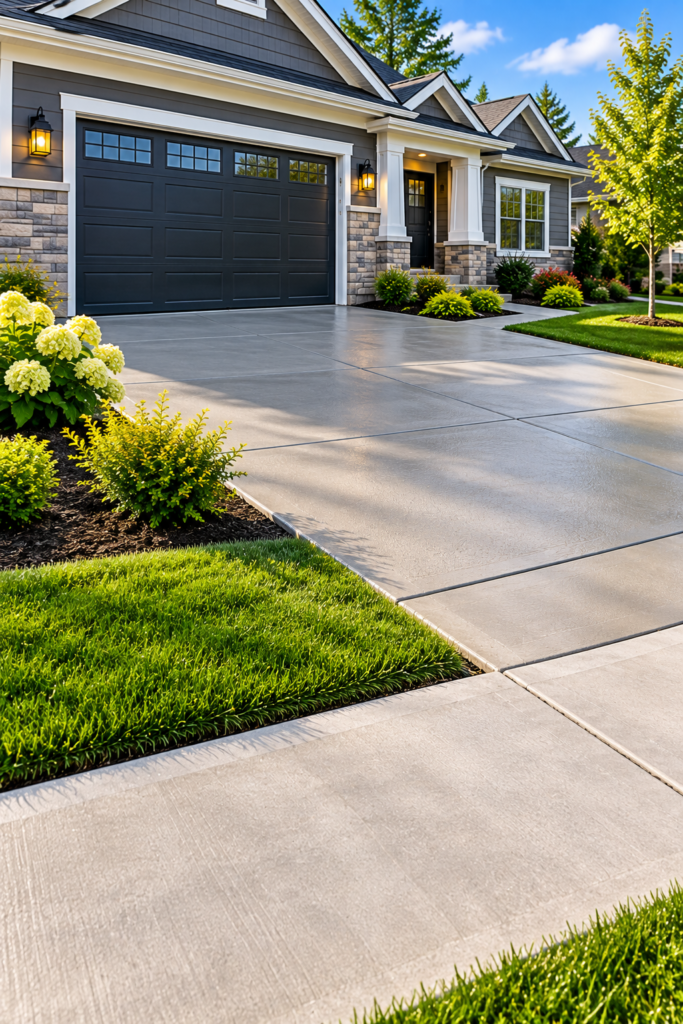
The right option depends on the deck’s actual condition and your goals. No single crack size or rule decides it.
Targeted Repairs
Specific problems, such as a chipped edge or a damaged joint, may be addressed with a repair where the condition allows.
Resurfacing
Resurfacing may renew the surface of a deck that is otherwise stable. It does not correct movement, settling or base problems. Learn more on our concrete resurfacing page.
Replacement
When the existing concrete is not suitable for the project, because of widespread damage or movement, replacement may be considered.
Pool Systems and Coping
Coping, plumbing, drains, electrical and bonding systems near the pool may need proper evaluation and coordination before deck work begins.
Inside the City of Kalamazoo, Chapter 34 of the city code covers swimming pools, including permits and enclosures. It is worth reviewing, along with any other local requirements, before changing the area around a pool.
Water Management
Drainage and Water Around the Pool
Where the Water Goes
A pool deck sees water from swimmers, splashing, rain and melting snow. Planning where that water goes is one of the most important parts of a pool deck project.
Surrounding grade, nearby lawns and planting beds, and low spots on the deck all affect drainage. Water that collects in low areas can affect the surface and the concrete over time.
Planning for Runoff
The right drainage approach depends on the pool, the site and the layout. No single slope or detail fits every deck, and keeping deck water from draining back into the pool is part of the plan.
As concrete contractors serving the Kalamazoo area, we review drainage as part of every pool deck we plan.
Local Conditions
Michigan Weather and Your Pool Deck
Pool deck concrete stays outside all year, even when the pool is closed.
Freeze-Thaw Cycles
Water that soaks into concrete and then freezes can stress the surface over repeated winter cycles.
Snow, Ice and Deicers
Snow can sit on the deck for months. Some deicers are harder on concrete than others, so winter care should keep the surface in mind.
Seasonal Care
Clearing debris, keeping water from pooling and checking for new cracks when you open and close the pool can help with maintenance. Our guide to maintaining a concrete pool deck in Michigan covers each season.
Pricing
What Affects a Concrete Pool Deck Estimate?
Every pool deck is different, so pricing comes from a project-specific estimate.
Deck Size and Layout
The overall area and shape of the deck around the pool.
New or Existing Concrete
New decks and work on existing concrete are planned differently, and current condition matters.
Removal and Repair Needs
Taking out old concrete or repairing damaged areas adds to the scope.
Pool Configuration and Access
The pool shape, coping and how easily the area can be reached.
Finish and Decorative Options
Standard texture, color or stamped patterns.
Drainage and Surrounding Features
Grade, runoff and connections to patios, walkways or steps.
Planning a New or Updated Pool Deck?
Tell us about your pool area and what you would like to change.
FAQ
Concrete Pool Deck FAQs
What should I consider when planning a concrete pool deck?
Start with how the space will be used, where people will walk and sit, and how the deck meets the pool edge, house and yard. Drainage, surface texture, finish and local requirements matter too.
Can a cracked concrete pool deck be repaired?
Sometimes. It depends on the type and extent of the cracking, whether the deck has moved and the condition of the surrounding concrete. Some cracks can be repaired; others may call for a larger project.
Can an existing pool deck be resurfaced?
It may be, if the existing concrete is stable and the problems are mainly on the surface. Resurfacing does not fix movement, settling or base problems.
When should a concrete pool deck be replaced?
Replacement may be considered when damage is widespread, the deck has shifted, or the existing concrete is not suitable for the project you have in mind.
Does concrete around a pool get hot?
It can feel warm in direct sun. Sunlight, concrete color, finish and nearby shade all influence how the surface feels underfoot, but no finish stays cool in every condition.
How does Michigan weather affect pool deck concrete?
The deck is exposed to moisture, freeze-thaw cycles, snow and deicers even when the pool is closed. Good drainage and seasonal care can help with maintenance.
Free Estimates
Request a Concrete Pool Deck Estimate
Tell us whether this is a new or existing pool deck, the approximate area and its current condition. Share how the pool and deck are laid out, any drainage concerns, the finish or decorative look you want and your project goals. Call (269) 404-2457 or use our contact page.