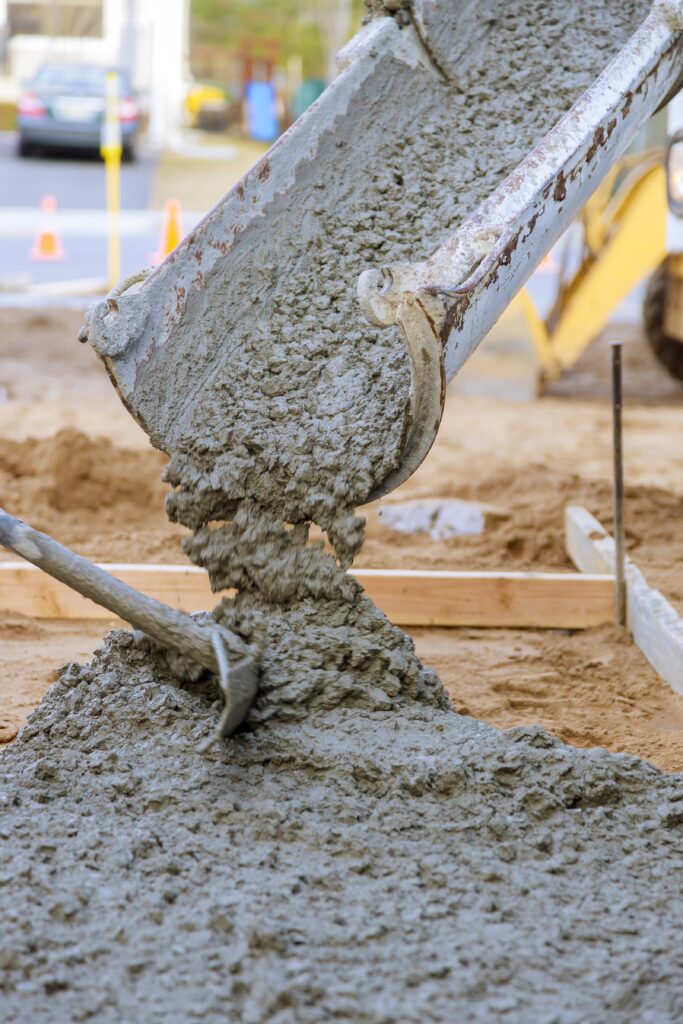
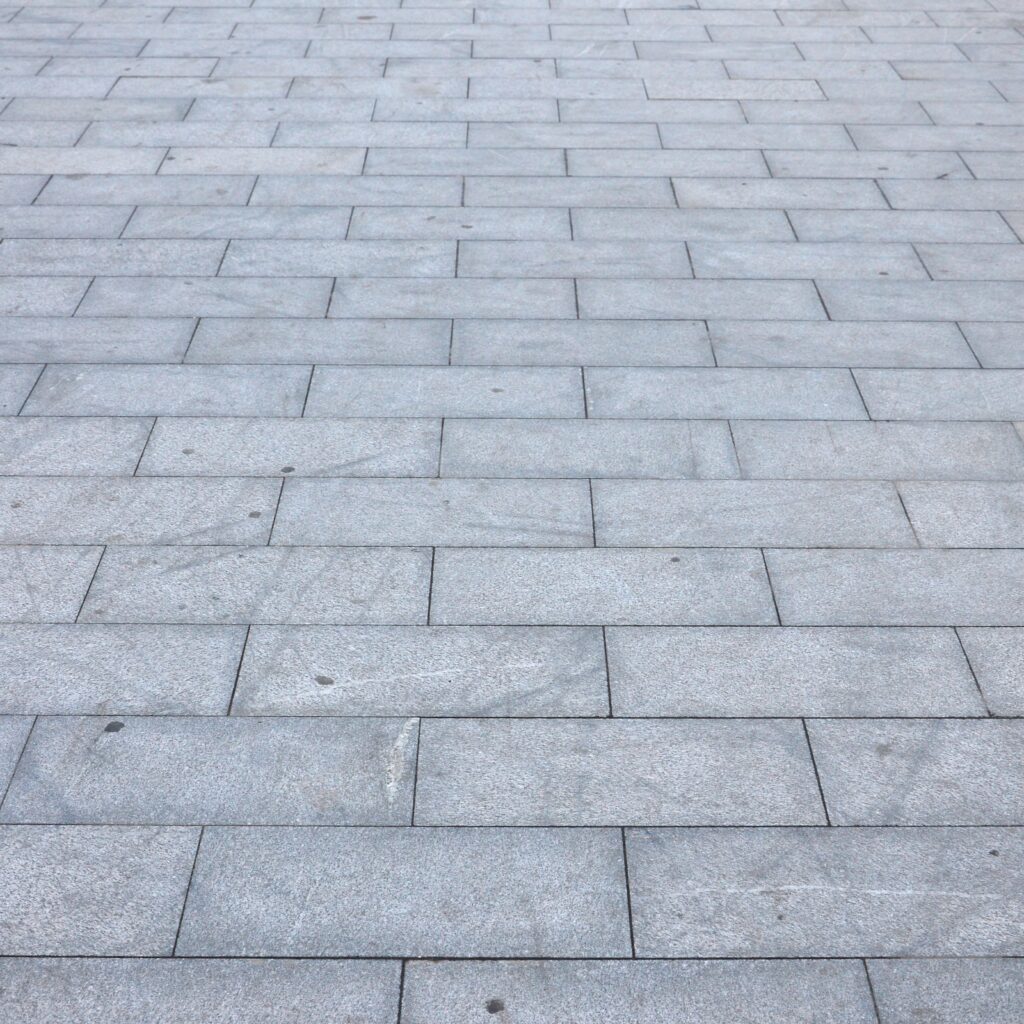

Shed Slab Installation is a common starting point for outdoor storage. It creates a level foundation. Homeowners rely on this type of concrete work to support long term use. In Michigan, ground conditions matter. A properly built slab helps prevent shifting. Every shed benefits from a strong base. The slab must be planned with care. Quality work supports long life.
Hidden problems can develop early. Unstable ground causes settling. Wet ground shifts more. Seasonal moisture is common. When soil moves, slabs can crack. Small cracks may appear first. Alignment problems develop. Shed access becomes harder. Knowing risks supports better decisions.
Drainage is part of the design. Runoff needs direction. Poor drainage can lead to pooling. Water affects materials. Local ground conditions differ. Area knowledge improves results. Shed Slab Installation Northwood, MI work accounts for soil. Every yard is different. Knowledge improves performance.
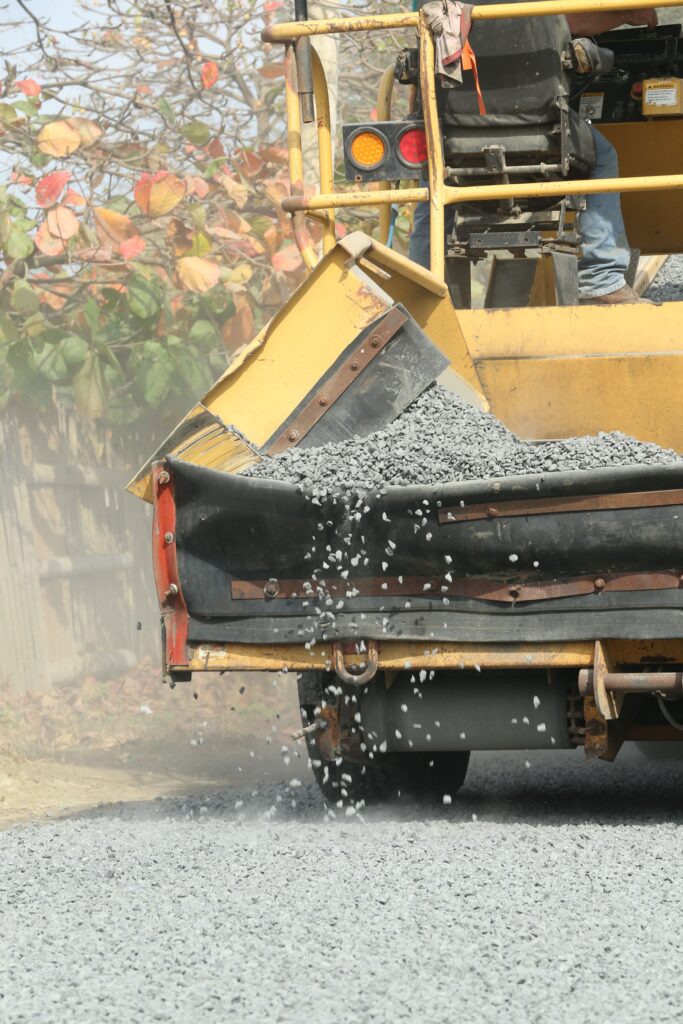
Shed slab installation follows a clear process. Layout begins the work. Topsoil is removed to reach firm ground. A gravel base is added for drainage. Boundaries are set. Steel helps limit cracking. The surface is smoothed evenly. Timing depends on weather. Each step affects the final result.
Slab depth depends on purpose. Small garden sheds need less thickness. Weight changes design. Local installers plan for these differences. Expansion joints may be added. Temperature causes change. They guide cracking. Lack of joints causes issues. Regional experience matters.
Curing is the final stage of installation. Hardening happens over days. Proper curing retains moisture. Covering the slab may help. Climate influences results. Seasonal changes matter. Skipping curing steps leads to surface issues. Local experience guides proper care. Good curing supports long term durability.
Different sheds rely on slabs. Storage sheds are the most common. Garden sheds hold equipment and supplies. Some sheds serve as workshops. Stability improves use. Uneven ground causes tool problems. Heavy items need strength. Stable floors reduce risk. Local lifestyles influence shed use.
Many sheds sit close to homes or fences. Water flow must be managed. Design allows gentle slope. Protection matters. Drainage failures occur. Materials break down. Area knowledge helps. Local soil patterns are known. Results improve.
Accessibility is another benefit of slabs. Rolling tools need smooth surfaces. This matters for all ages. Steps or ramps may connect to the slab. Stability matters. Guidance helps. Experience shows patterns. They plan slabs for real life use. This creates sheds that are easy to use.
Surface cracks appear. Cosmetic cracks exist. Structural cracks matter. Temperature swings matter. Gaps allow water. Expansion adds force. Annual damage occurs. Issues worsen. Regional factors apply.
Uneven surfaces develop. Poor base preparation is a main cause. Soft soil compresses under weight. Alignment changes. Sheds may tilt or twist. Pooling increases. Problems start quietly. Insight adds clarity. Knowledge reduces risk.
Use leaves marks. Heavy equipment increases stress. Moisture exposure speeds wear. Surface treatments help. Not all slabs are sealed. Maintenance plays a role in lifespan. Ignoring wear leads to repairs. Questions are common. Local professionals guide maintenance choices.
Selecting help takes planning. Area knowledge counts. Michigan soil and weather differ from other areas. A contractor who works locally plans better. History matters. Clear communication builds trust. Homeowners should ask about process and timing. Knowing what to expect reduces stress. Simple explanations help.
Credentials offer security. They reflect responsibility. Clear quotes support planning. Process details count. Respect matters. Time is allowed. Word spreads. Neighbors often share experiences. Confidence grows.
Concrete work lasts years. The right choice impacts performance. Shed Slab Installation Northwood, MI work reflects experience. Awareness helps. Preparation limits issues. Local professionals balance strength and function. They understand how sheds are used. Results last longer. Consistency builds confidence.
Discover what our satisfied customers are saying about our exceptional services—real experiences that highlight our commitment to quality, reliability, and excellence in every project we undertake.
The team transformed our driveway beautifully. It looks amazing! Highly recommend.
They built a stunning patio for us. The craftsmanship and professionalism were top-notch!
After a basement leak, they repaired our floor perfectly. Couldn’t be happier!
Our stamped concrete walkway is the highlight of our home. Fantastic work!
Quick and efficient repair of cracks in our garage floor. Excellent service!
From start to finish, they delivered exactly what we wanted for our patio. Amazing team!
Ready to make your concrete project a reality? Contact us today for a free estimate! Whether you’re looking for a durable concrete driveway, a beautiful patio, or expert repairs, we have the skills to deliver.

Concrete Contractors Kalamazoo MI Pros specialize in high-quality concrete services, including driveways, patios, foundations, and decorative concrete. With years of experience, we deliver durable, cost-effective solutions tailored to your needs. Count on us for professional craftsmanship and exceptional results in Kalamazoo and surrounding areas. Contact us today for reliable service!