
Shed Slab Installation is the base for many backyard projects. It gives sheds a solid base. People often select this method for durability over time. In Michigan, soil and weather play a role. Good preparation limits movement. This type of installation supports both small and large sheds. Planning affects performance. Quality work supports long life.
Issues often begin under the shed. Poor soil preparation can lead to sinking. Moisture changes make this worse. Seasonal moisture is common. When soil moves, slabs can crack. Small cracks may appear first. Over time, sheds may lean or shift. Shed access becomes harder. Knowing risks supports better decisions.
Drainage is part of the design. Water should move away from the shed. Poor drainage can lead to pooling. Long term exposure causes wear. Local ground conditions differ. Local experience helps manage these factors. Shed Slab Installation Richland Junction, MI planning considers climate. Each site needs individual attention. That local understanding supports better outcomes.
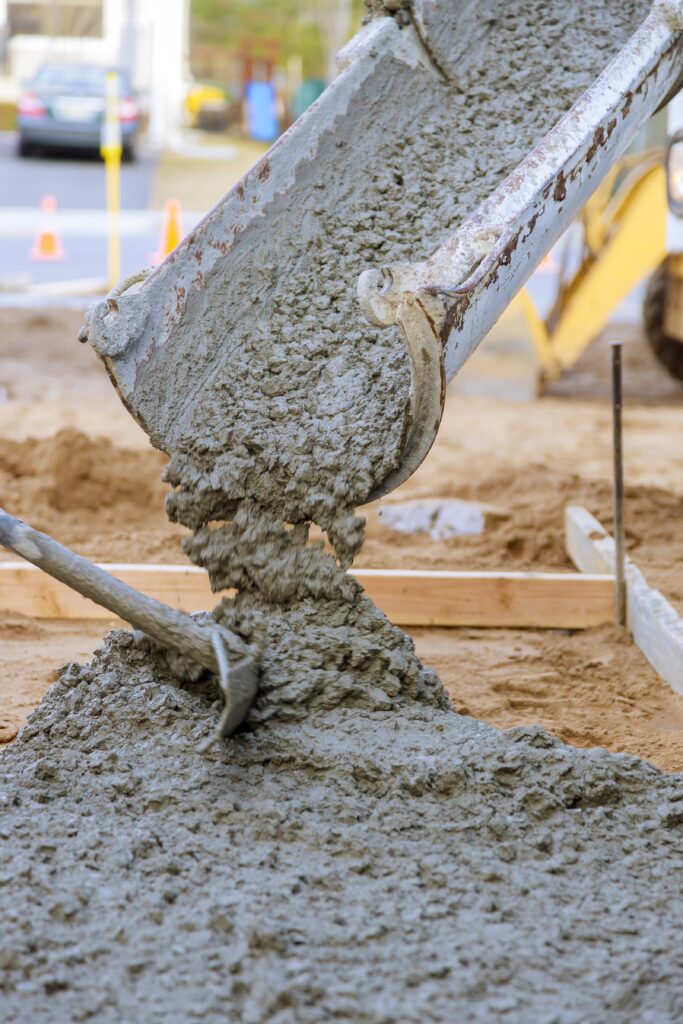
The installation process has key steps. Placement is planned first. Topsoil is removed to reach firm ground. Gravel improves stability. Frames shape the slab. Reinforcement may be included for strength. Careful leveling is done. Weather conditions are monitored closely. Details shape performance.
Thickness is planned based on shed use. Usage affects depth. Larger sheds or equipment storage need more. Knowledge supports choices. Joints allow movement. Concrete expands and contracts naturally. They guide cracking. Without joints, cracks may spread randomly. Local practice reflects Michigan conditions.
Curing is the final stage of installation. Strength builds slowly. Drying too fast causes weakness. Protective methods are used. Climate influences results. Seasonal changes matter. Skipping curing steps leads to surface issues. Area knowledge sets timing. Good curing supports long term durability.
Uses vary widely. Yard tools often need space. Garden sheds hold equipment and supplies. Hobby sheds are used. Concrete slabs provide stable footing. Work suffers without flatness. Concrete supports shelving and benches. Stable floors reduce risk. Community use patterns apply.
Placement varies by yard. This makes drainage planning important. Design allows gentle slope. Moisture must be controlled. Bad layout traps water. Moisture harms sheds. Area knowledge helps. Observation guides decisions. This supports better long term use.
Accessibility is another benefit of slabs. Rolling tools need smooth surfaces. This matters for all ages. Design allows options. Safe footing reduces trip risk. Questions are common. Real use informs advice. They plan slabs for real life use. This creates sheds that are easy to use.
Surface cracks appear. Some cracks are harmless. Structural cracks matter. Temperature swings matter. Moisture seeps into concrete. Ice causes pressure. Annual damage occurs. Over time, cracks may widen. Regional factors apply.
Slabs may sink over time. Poor base preparation is a main cause. Ground shifts under load. Alignment changes. Sheds may tilt or twist. Pooling increases. Damage develops slowly. Area knowledge aids assessment. Understanding causes supports prevention.
Wear appears over time. Weight affects durability. Water accelerates damage. Sealants reduce absorption. Choices vary. Upkeep matters. Ignoring wear leads to repairs. Advice helps. Experience supports advice.
Picking the right contractor matters. Regional familiarity helps. Michigan soil and weather differ from other areas. Local pros adjust methods. Past projects show reliability. Clear communication builds trust. Questions improve understanding. Planning matters. Simple explanations help.
Coverage matters. They reflect responsibility. Clear quotes support planning. Transparency builds confidence. Patience shows experience. Pressure is avoided. Community feedback matters. Recommendations help. Confidence grows.
Concrete work lasts years. Choosing the right help affects durability. Shed Slab Installation Richland Junction, MI projects benefit from local insight. Awareness helps. Good planning reduces future repairs. Local professionals balance strength and function. They understand how sheds are used. Performance improves. Local trust develops over time.
Installing a reliable base for your outdoor structure starts with durable concrete shed bases that ensures long-lasting performance and stability. Whether you’re adding a new storage unit or upgrading your backyard space, homeowners across Texas Corners can get started here: shed slab installation in Texas Corners MI, ensuring your shed sits on a solid, level, and dependable foundation.
Discover what our satisfied customers are saying about our exceptional services—real experiences that highlight our commitment to quality, reliability, and excellence in every project we undertake.
The team transformed our driveway beautifully. It looks amazing! Highly recommend.
They built a stunning patio for us. The craftsmanship and professionalism were top-notch!
After a basement leak, they repaired our floor perfectly. Couldn’t be happier!
Our stamped concrete walkway is the highlight of our home. Fantastic work!
Quick and efficient repair of cracks in our garage floor. Excellent service!
From start to finish, they delivered exactly what we wanted for our patio. Amazing team!
Ready to make your concrete project a reality? Contact us today for a free estimate! Whether you’re looking for a durable concrete driveway, a beautiful patio, or expert repairs, we have the skills to deliver.

Concrete Contractors Kalamazoo MI Pros specialize in high-quality concrete services, including driveways, patios, foundations, and decorative concrete. With years of experience, we deliver durable, cost-effective solutions tailored to your needs. Count on us for professional craftsmanship and exceptional results in Kalamazoo and surrounding areas. Contact us today for reliable service!